Professional Home Electrical Safety Guide for Replacing Faulty Circuit Breakers, Preventing Electrical Hazards, and Maintaining Your Breaker Panel
Circuit breakers are one of the most important safety components inside your home’s electrical system. They are designed to protect your wiring, appliances, and electrical circuits from overloads, short circuits, and dangerous electrical faults. When a breaker becomes damaged, worn out, or repeatedly trips, replacing it quickly is essential for maintaining electrical safety and preventing costly problems.
Many homeowners wonder how to change a circuit breaker safely without damaging their electrical panel or risking injury. While replacing a breaker can be manageable for experienced DIY homeowners, electrical work should always be approached carefully and with proper safety precautions.
In this detailed guide, you will learn everything you need to know about replacing a circuit breaker safely and correctly. We will cover warning signs of a faulty breaker, required tools, step-by-step replacement instructions, testing procedures, electrical safety tips, and when it is best to contact a licensed electrician.
Why Circuit Breakers Are Important
Circuit breakers are designed to automatically stop the flow of electricity whenever an electrical circuit becomes overloaded or experiences a short circuit. Without breakers, excessive electrical current could overheat wiring and potentially start fires inside walls or electrical panels.
Modern breaker panels protect individual circuits throughout your home, including lighting systems, kitchen appliances, HVAC systems, garages, and outlets.
Common causes of breaker failure include:
- Electrical overloads
- Short circuits
- Ground faults
- Loose wiring connections
- Old age and wear
- Corrosion or moisture damage
- Improper breaker sizing
Replacing a damaged breaker promptly helps prevent additional electrical problems and ensures your electrical panel operates correctly.
Signs You Need to Replace a Circuit Breaker
Not every tripped breaker needs replacement. However, repeated electrical problems often indicate a failing breaker that should be inspected or replaced immediately.
Frequent Tripping
If the same breaker trips repeatedly even after reducing electrical load, the breaker may be worn out or faulty.
Burning Smell
A burning odor near the breaker panel may indicate overheating wires or internal breaker damage.
Breaker Feels Hot
Excessive heat around the breaker can signal poor internal connections or overload conditions.
Visible Damage
Burn marks, melted plastic, discoloration, or corrosion are serious signs that the breaker needs replacement.
Tools and Equipment Needed to Change a Circuit Breaker
Essential Electrical Tools
- Safety Glasses – Protect eyes from sparks and debris
- Insulated Gloves – Reduce electrical shock risk
- Screwdriver Set – Remove panel covers and terminal screws
- Pliers or Wire Cutters – Disconnect and prepare wires
- Voltage Tester – Confirm power is disconnected
- Replacement Circuit Breaker – Correct type and amperage rating
- Electrical Tape – Secure and insulate wiring if necessary
Electrical Safety Precautions Before Replacing a Breaker
Before replacing a breaker:
- Turn off the main power supply
- Wear insulated gloves and safety glasses
- Keep the work area dry
- Use insulated tools when possible
- Verify power is disconnected using a voltage tester
- Never touch exposed service wires entering the panel
If you are uncomfortable working inside an electrical panel, contact a licensed electrician immediately.
How to Remove the Old Circuit Breaker
Step 1: Turn Off the Main Breaker
Locate the main breaker inside the electrical panel and switch it off completely.
This disconnects power from most branch circuits inside the panel.
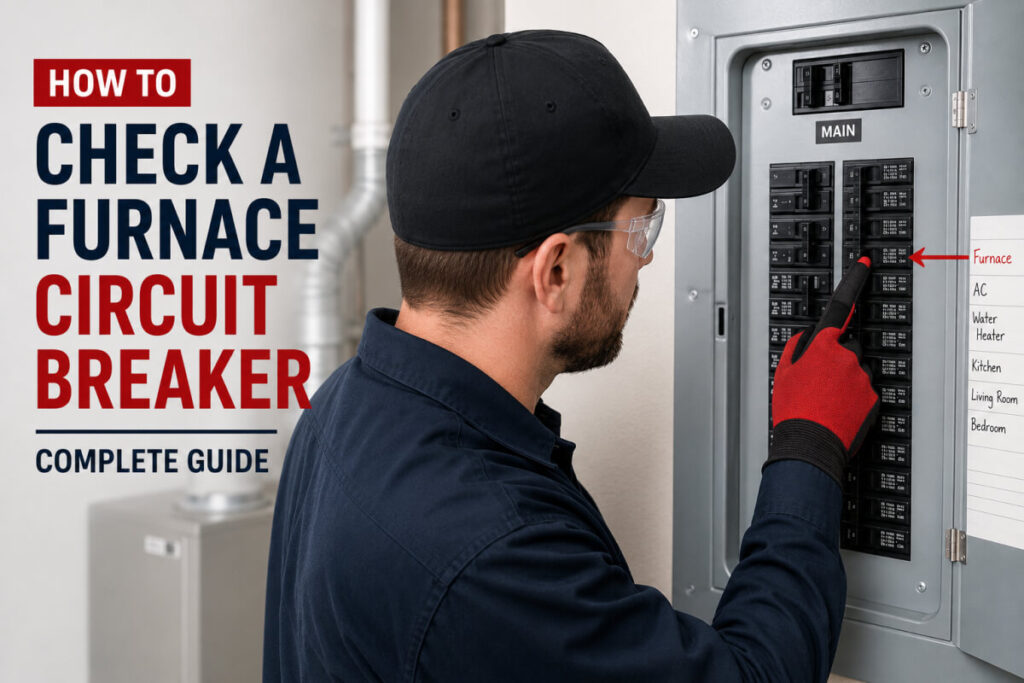
Step 2: Identify the Faulty Circuit Breaker
Determine which breaker is causing the issue. Faulty breakers often trip repeatedly, fail to reset, or show signs of overheating.
Step 3: Remove the Electrical Panel Cover
Use a screwdriver to carefully remove the screws securing the panel cover.
Place the screws in a safe location for reinstallation later.
Step 4: Test for Power
Use a voltage tester to confirm that the breaker and surrounding terminals are no longer energized.
Step 5: Disconnect the Wire from the Old Breaker
Loosen the terminal screw holding the circuit wire in place.
Carefully remove the wire and move it aside safely.
Step 6: Remove the Old Circuit Breaker
Depending on your panel type, the breaker may either snap into place or clip onto a bus bar.
Carefully pull the breaker outward until it disconnects from the panel.
How to Install the New Circuit Breaker
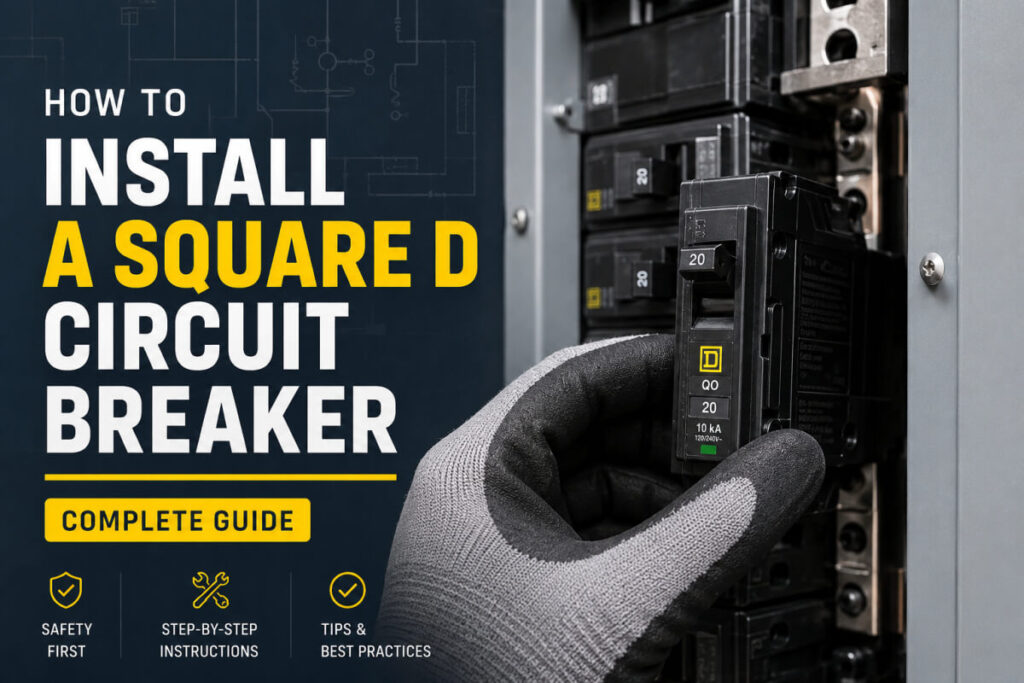
Step 1: Verify Panel Compatibility
Ensure the replacement breaker matches the electrical panel manufacturer specifications.
Using incompatible breakers can create dangerous electrical conditions and may violate electrical codes.
Step 2: Inspect and Prepare the Wire
Examine the circuit wire for damage, burns, or frayed insulation.
Trim damaged wire if necessary and strip a clean section of insulation from the end.
Step 3: Insert the New Circuit Breaker
Align the breaker carefully with the panel slot and push it firmly into place.
Make sure the breaker is seated securely and connected properly to the bus bar.
Step 4: Reconnect the Circuit Wire
Insert the wire into the breaker terminal and tighten the terminal screw securely.
Ensure there are no loose wire strands exposed outside the terminal.
Step 5: Double-Check All Connections
Carefully inspect the breaker installation and wiring connections before restoring power.
Loose electrical connections can create overheating, arcing, and future breaker failure.
Step 6: Reinstall the Panel Cover
Place the electrical panel cover back onto the panel and secure it using the original screws.
Testing the New Circuit Breaker
Restore Electrical Power
Turn the main breaker back on carefully.
Then switch the new circuit breaker to the ON position.
Test the Circuit
Check the affected outlets, lights, or appliances to verify the circuit is functioning correctly.
Use a voltage tester or plug in a working device to confirm power delivery.
Monitor for Problems
Over the next several days, monitor the breaker for unusual heat, buzzing sounds, or repeated tripping.
If problems continue, additional electrical issues may exist elsewhere in the circuit.
| Breaker Problem | Possible Cause |
|---|---|
| Breaker trips immediately | Short circuit or ground fault |
| Breaker feels hot | Loose connection or overload |
| No power after replacement | Incorrect installation or damaged wiring |
| Buzzing noises | Faulty breaker or arcing |
Common Mistakes to Avoid When Replacing a Circuit Breaker
- Using the wrong breaker amperage
- Installing incompatible breaker brands
- Working without turning off the main power
- Leaving loose electrical connections
- Overloading the circuit after replacement
- Ignoring local electrical code requirements
When to Call a Professional Electrician
Some electrical issues should always be handled by qualified professionals.
You should hire a licensed electrician if:
- Your breaker panel is outdated
- You notice burnt wiring or melted insulation
- The breaker continues tripping after replacement
- Your panel contains aluminum wiring
- You are upgrading to higher amperage circuits
- You are unsure about electrical code compliance
Frequently Asked Questions
Can I Change a Circuit Breaker Myself?
Homeowners with basic electrical knowledge may be able to replace a breaker safely. However, electrical panels contain dangerous voltage, so professional assistance is recommended if you are uncertain.
How Much Does It Cost to Replace a Circuit Breaker?
Circuit breaker replacement costs generally range between $100 and $300 depending on breaker type, labor costs, and panel complexity.
How Long Do Circuit Breakers Last?
Most residential circuit breakers last between 25 and 40 years, although heavy usage and electrical issues can shorten their lifespan.
Why Does My New Breaker Keep Tripping?
Frequent tripping may indicate overloaded circuits, faulty appliances, damaged wiring, or short circuits elsewhere in the electrical system.
Need Professional Electrical Help?
Ensure safe and code-compliant breaker replacement with professional electrical inspection and repair services.
Contact Our Team Browse Circuit BreakersFinal Thoughts
Learning how to change a circuit breaker safely can help homeowners maintain reliable electrical performance and prevent dangerous overload conditions. With proper tools, careful installation, and strict attention to electrical safety, replacing a faulty breaker can improve the safety and efficiency of your home’s electrical system.
However, electrical work always carries risks. If you encounter damaged wiring, persistent breaker problems, or uncertainty during the installation process, contact a licensed electrician immediately.
Properly functioning circuit breakers are essential for protecting your home, appliances, and family from electrical hazards. Regular inspection and maintenance can help ensure your electrical panel continues operating safely for years to come.