A Renter’s Guide to Locating the Breaker Box, Fuse Box, or Electrical Panel in Any Apartment
If you can’t find circuit breaker in apartment units you’ve just moved into, you’re not alone — apartment circuit breaker locations are far less predictable than in a single-family house, and older buildings often hide the panel somewhere you’d never think to check.
Unlike a house, where the breaker box in apartment buildings usually sits in a garage or basement, an apartment fuse box or breaker panel might be tucked into a hallway closet, a kitchen cabinet, or even a shared electrical room down the corridor. Some units don’t have an individual panel at all — power is controlled from a shared apartment distribution board serving several units. If your apartment has its own AC unit, it may also be worth locating the separate AC contactor near the outdoor condenser, since it’s a distinct component from your main panel.
This guide walks through every common circuit breaker box location in an apartment, how to tell a breaker box from a fuse box, how to reset a tripped breaker safely, and when the issue is really a building-wide electrical problem your landlord needs to handle.
Common Places to Find a Circuit Breaker in an Apartment
Hallway or Entry Closet
The most common circuit breaker box location in apartments — often behind coats, shoes, or stored items near the front door.
Kitchen or Laundry Closet
Many mid-rise buildings run the electrical panel in closet space near the kitchen, sometimes behind a stacked washer-dryer unit.
Bedroom Closet
Smaller apartments sometimes route the panel into a bedroom closet wall — theres a circuit breaker in my closet is one of the most common realizations new tenants have.
Shared Electrical Room
If your apartment is next to electrical room space serving the whole floor, your individual breakers may be inside that shared panel rather than in your unit.
What If There’s No Breaker Box in Your Unit?
Some older or smaller apartment buildings don’t give each unit its own panel. Instead, all units share a central apartment distribution board, usually located in a basement, utility room, or hallway closet marked for building staff only. If you’ve searched everywhere and still can’t find breaker box access, contact your property manager — you may not be permitted to access a shared panel directly for safety and liability reasons.
How to Tell a Breaker Box From a Fuse Box
Older buildings sometimes still use a fuse box apartment setup instead of modern circuit breakers. A breaker box has rows of switches you flip to reset a circuit. A fuse box has round, screw-in fuses with a small window that darkens or a metal strip that visibly melts when a circuit is overloaded. It’s also common to find a breaker box with fuses — a hybrid panel where the main disconnect is a breaker but individual circuits are still protected by fuses.
Step-by-Step: How to Find Your Circuit Breaker Box
Tools You’ll Need
- Flashlight – Panels in closets are rarely near good lighting
- Move-In Paperwork – Many leases note the panel location
- Phone Camera – Useful for documenting panel labels for future reference
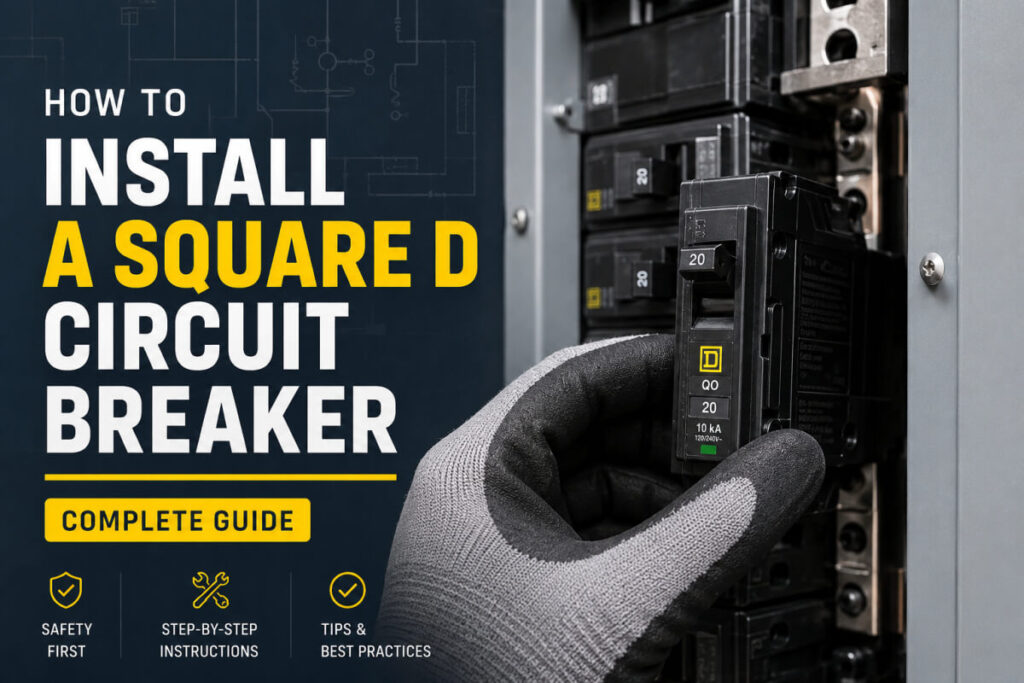
Step 1: Check every closet in the unit — hallway, bedroom, and kitchen — since apartment circuit breaker panels are almost always mounted behind a door rather than out in the open. Step 2: Look near the unit’s entry door and along shared hallway walls for a labeled panel door. Step 3: If nothing turns up inside your unit, ask whether your apartment is served by a shared distribution board elsewhere in the building. Step 4: Once found, label each breaker or fuse by the room or outlet it controls, and note the amperage of each — useful context if you ever need to reference a guide like installing a new circuit breaker and outlet safely — this saves time on every future outage.
How to Reset a Breaker in Your Apartment
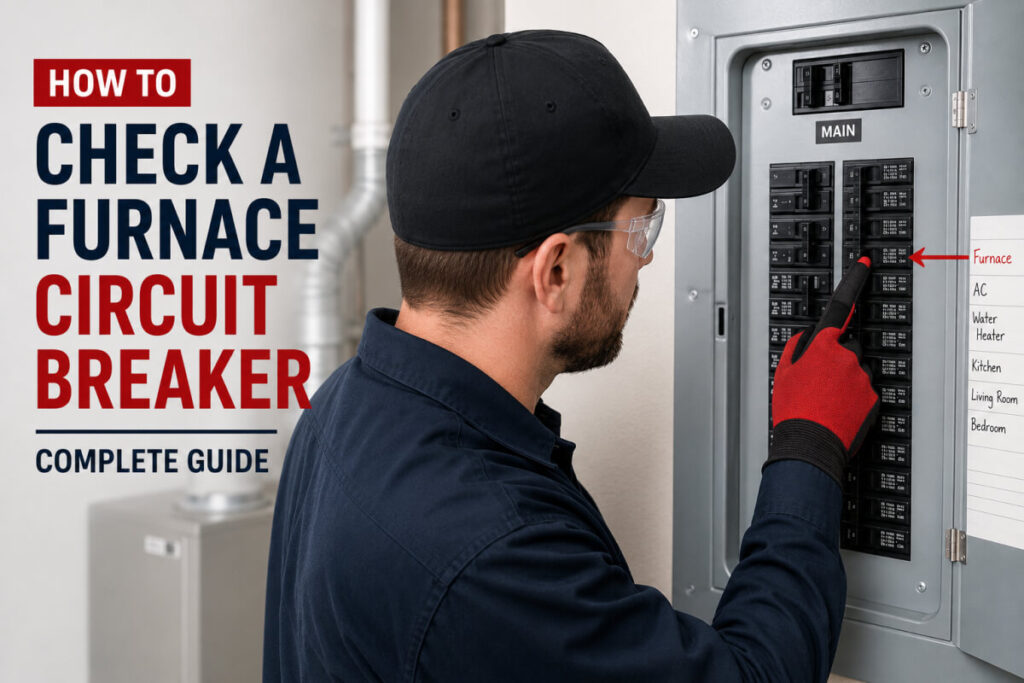
Once located, resetting a tripped breaker is simple: push the handle firmly to the full “OFF” position, then switch it back to “ON.” If your apartment breaker keeps tripping shortly after resetting, stop resetting it repeatedly — that pattern usually means a specific appliance or circuit is overloaded, not a random glitch. See our guide on whether circuit breakers can reset themselves if yours seems to be flipping off on its own.
How to Check and Change a Fuse in an Older Breaker Box
If your unit has a fuse box apartment setup, checking a fuse is just as important as knowing how to check a fuse in a breaker box that’s hybrid. Look for a darkened viewing window or a visibly broken metal strip inside the fuse — similar to the signs covered in our guide on circuit capacity and safe load limits. To change it, confirm the power to that circuit is off, then screw in a replacement fuse of the exact same amperage rating — never a higher one.
Common Mistakes to Avoid
- Blocking access to the panel with furniture, storage bins, or a permanently mounted shelf
- Trying to fully hide a breaker box behind drywall or built-ins — access must stay clear by code
- Replacing a fuse with a higher amperage rating than the circuit calls for
- Assuming a dead outlet means building-wide power loss without checking your own panel first
- Repeatedly resetting a breaker that keeps tripping instead of unplugging the overloaded device
When to Contact Your Landlord or a Licensed Electrician
You should reach out to your landlord or an electrician if:
- You can’t locate any panel in your unit and staff confirm there’s a shared distribution board
- A breaker trips immediately every time you reset it
- You smell burning or see scorch marks near any panel or outlet
- Multiple apartments lose power at once, suggesting a building-wide fault
- You’re not permitted to access the panel due to a shared or locked electrical room
Frequently Asked Questions
Where Are Circuit Breakers Usually Located in an Apartment?
Most often inside a hallway, kitchen, or bedroom closet. In some buildings, individual units don’t have a separate panel and instead share a distribution board elsewhere in the building.
What Should I Do If I Can’t Find My Circuit Breaker in the House or Apartment?
Check every closet first, then ask your landlord or a neighbor if the building uses a shared panel. Move-in documents or a maintenance request are usually the fastest way to confirm.
Are There Fuses in a Breaker Box?
In older, partially upgraded panels, yes. Some hybrid panels use a breaker as the main disconnect while individual circuits are still protected by screw-in fuses.
How Do You Say “Breaker Box” in Spanish?
A breaker box is commonly called a “caja de breakers” or “caja de fusibles” (fuse box) in Spanish, depending on the type of panel.
Managing Electrical Systems Across Multiple Units?
Dvolt manufactures MCBs, distribution boards, and fuse devices built for reliable circuit protection in residential and multi-unit buildings alike.
Contact Our Team Browse Circuit BreakersFinal Thoughts
A circuit breaker box location in an apartment is rarely obvious, but it almost always follows one of a few common patterns: a hallway or bedroom closet, a kitchen utility space, or a shared panel serving multiple units. Work through each likely spot methodically before assuming something more serious is wrong.
Once you find it, label every breaker or fuse clearly, and don’t hesitate to loop in your landlord or a licensed electrician for anything beyond a simple reset — especially if the panel serves more than just your own unit.