Step-by-Step Guide to Testing an AC Contactor, Diagnosing HVAC Electrical Problems, and Improving Air Conditioner Performance
One of the most important electrical components inside an air conditioning system is the AC contactor. This small but critical device controls the flow of electricity to your compressor and condenser fan motor, allowing your HVAC system to start and stop properly. If the contactor becomes worn, damaged, dirty, or corroded, your air conditioner may stop cooling efficiently or fail to turn on altogether.
Understanding how to check an AC contactor is essential for homeowners, HVAC technicians, and property managers who want to maintain reliable cooling performance and prevent expensive system breakdowns. A faulty AC contactor can lead to compressor failure, high energy bills, overheating, electrical arcing, or complete air conditioning system failure if left unchecked.
In this detailed guide, you will learn how to inspect, test, troubleshoot, and maintain an AC contactor safely. We will also cover common signs of failure, tools required, safety precautions, continuity testing, voltage checks, and when it is time to replace the contactor entirely.
Why Checking the AC Contactor Is Important
The AC contactor acts like an electrical switch inside your air conditioning system. When the thermostat calls for cooling, the contactor receives a low-voltage signal that closes the contacts and allows electricity to flow to the compressor and condenser fan motor.
Because the contactor handles repeated electrical loads during every cooling cycle, the internal contacts eventually wear down. Dirt, corrosion, electrical arcing, heat buildup, and age can all affect the performance of the contactor over time.
Failing to inspect or maintain the AC contactor can cause:
- Reduced cooling efficiency
- Air conditioner not turning on
- Clicking noises from the outdoor unit
- High electricity consumption
- Overheating components
- Frequent HVAC cycling
- Compressor failure
- Unexpected air conditioner breakdowns
What Is an AC Contactor?
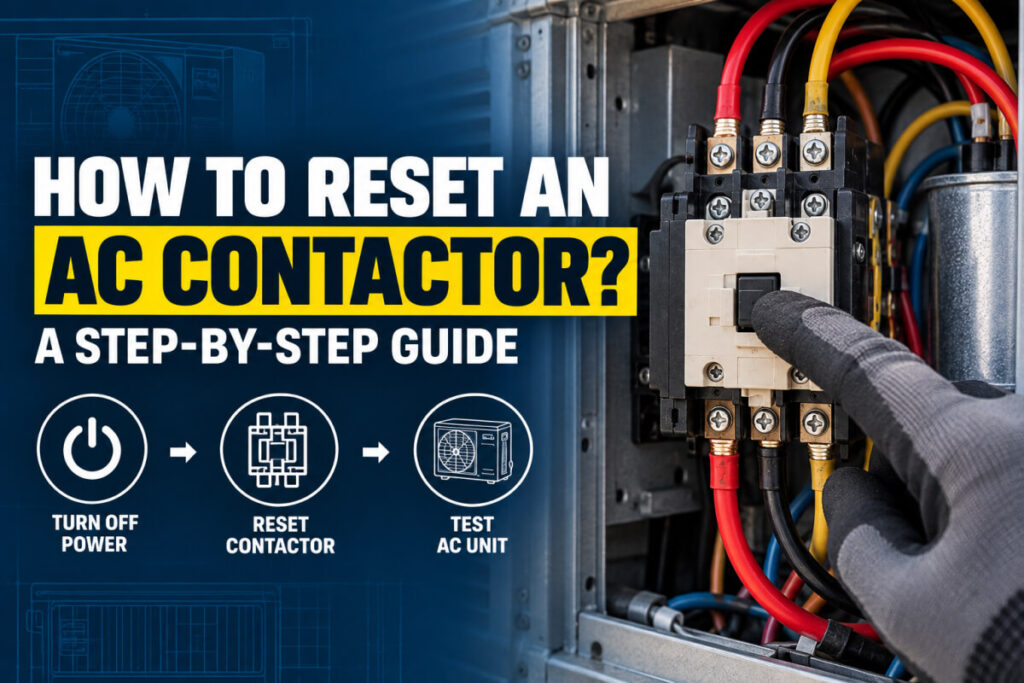
An AC contactor is an electrically controlled switch commonly found inside the outdoor condenser unit of an HVAC system. Its primary function is to regulate power flow between the electrical supply and the major cooling components.
Compressor Control
The contactor allows electrical current to reach the compressor whenever cooling is required.
Fan Motor Operation
It also controls the condenser fan motor to help dissipate heat from the refrigerant system.
Low-Voltage Activation
Most contactors use a 24-volt signal from the thermostat to activate the internal contacts.
Electrical Safety
Properly functioning contactors help regulate safe electrical operation within the HVAC unit.
Safety Precautions Before Testing an AC Contactor
Before beginning any inspection:
- Turn off the air conditioner at the thermostat
- Switch off the circuit breaker supplying power to the unit
- Disconnect the outdoor service disconnect box
- Wear insulated gloves and safety glasses
- Use a voltage tester to verify power is disconnected
- Never touch exposed electrical terminals directly
If you are unsure about handling electrical components safely, contact a licensed HVAC technician.
Tools Needed to Check an AC Contactor
Essential HVAC Inspection Tools
- Insulated Gloves – Protect against electrical shock
- Voltage Tester – Confirms power is disconnected
- Multimeter – Measures continuity and resistance
- Screwdriver Set – Removes contactor cover panels
- Contact Cleaner – Cleans dirty electrical contacts
- Flashlight – Improves visibility inside the condenser unit
Step-by-Step Guide to Checking an AC Contactor
Step 1: Disconnect the Power Supply
Before touching any HVAC electrical components, turn off the thermostat and disconnect all electrical power sources connected to the air conditioning unit.
Use a voltage tester to verify that there is no active electrical current.
Step 2: Locate the AC Contactor
Open the access panel on the outdoor condenser unit using a screwdriver.
The contactor is usually located near the capacitor and electrical wiring connections.
Step 3: Inspect for Physical Damage
Carefully examine the contactor for visible signs of wear or damage.
Look for:
- Burn marks
- Melted plastic
- Cracked housing
- Black soot
- Corrosion
- Loose wiring
Step 4: Check for Loose Electrical Connections
Loose wiring connections can create overheating and voltage drops that damage HVAC components.
Tighten any loose terminal screws carefully using an insulated screwdriver.
Step 5: Examine the Electrical Contacts
The contacts inside the contactor are responsible for conducting electricity to the compressor and fan motor.
Inspect the contacts for:
- Pitting
- Corrosion
- Rust
- Discoloration
- Carbon buildup
Dirty contacts can sometimes be cleaned using approved electrical contact cleaner and a soft cloth.
Severely damaged or pitted contacts usually require complete replacement of the contactor.
Step 6: Test for Voltage
Use a voltage tester or multimeter to ensure there is no electrical charge present before proceeding further.
If live voltage is detected unexpectedly, stop immediately and contact a professional HVAC technician.
Step 7: Measure Continuity Using a Multimeter
Continuity testing helps determine whether electrical current can pass properly through the contactor.
Set the multimeter to continuity mode and place the probes across the contact terminals. A continuous beep or low resistance reading generally indicates proper continuity.
If there is no continuity or resistance readings are unusually high, the contactor may be faulty and require replacement.
Step 8: Inspect the Contactor Coil
The contactor coil creates the electromagnetic field that activates the contacts whenever the thermostat signals the system to cool.
Look for cracked insulation, overheating, or burn marks around the coil assembly.
A damaged coil can prevent the contactor from engaging properly and may cause erratic system behavior.
Common Signs of a Bad AC Contactor
| Symptom | Possible Contactor Issue |
|---|---|
| AC unit will not turn on | Failed contactor coil |
| Clicking sounds | Worn or stuck contacts |
| Outdoor fan not running | Faulty electrical connection |
| Constant running | Contacts welded shut |
| Burn marks or overheating | Electrical arcing or loose terminals |
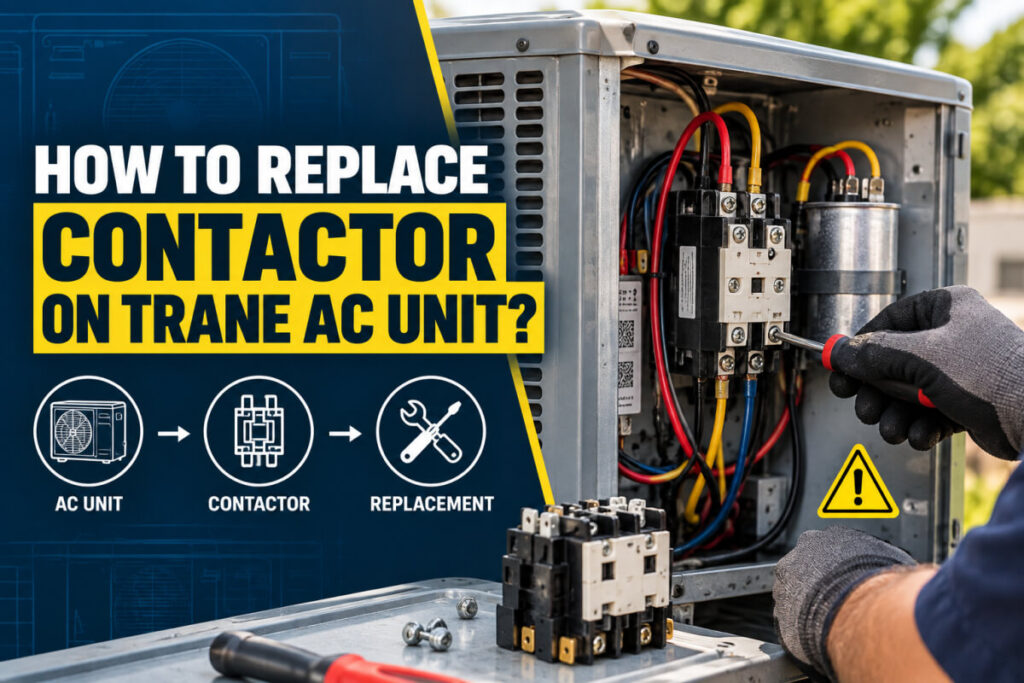
When Should You Replace an AC Contactor?
AC contactors typically last between 5 and 10 years depending on system usage, climate conditions, and electrical load.
You should replace the contactor if you notice:
- Burned or pitted contacts
- Electrical arcing
- Intermittent cooling problems
- Buzzing noises
- Overheating components
- Failure during continuity testing
Tips to Maintain Your AC Contactor
- Schedule annual HVAC maintenance inspections
- Keep the condenser unit clean and debris-free
- Check wiring connections regularly
- Replace worn contactors before peak summer usage
- Use surge protection for HVAC systems
Frequently Asked Questions
Can I Check an AC Contactor Myself?
Basic visual inspections and continuity tests can often be performed by homeowners with proper safety precautions. However, electrical repairs should be handled by qualified HVAC professionals if you are uncertain.
How Much Does It Cost to Replace an AC Contactor?
AC contactor replacement costs typically range between $100 and $400 depending on labor charges, HVAC system type, and contactor specifications.
Can a Bad Contactor Damage My Compressor?
Yes. A stuck or faulty contactor can cause compressor overheating, short cycling, or continuous operation, potentially leading to major HVAC repairs.
How Often Should AC Contactors Be Inspected?
HVAC professionals generally recommend inspecting contactors during annual air conditioning maintenance visits, especially before summer.
Need Professional HVAC Electrical Support?
Keep your air conditioning system operating safely and efficiently with expert HVAC diagnostics, contactor inspections, and electrical troubleshooting services.
Contact Our Team Browse AC ContactorsFinal Thoughts
Knowing how to check an AC contactor is an important part of maintaining a reliable and energy-efficient air conditioning system. Regular inspections can help identify worn contacts, loose connections, electrical damage, and failing coils before they lead to complete HVAC system failure.
By following proper safety procedures, using the correct testing tools, and performing routine HVAC maintenance, homeowners can improve cooling performance, reduce repair costs, and extend the lifespan of their air conditioning systems.
If you discover major electrical problems or feel uncomfortable performing HVAC electrical testing, always contact a licensed HVAC technician to ensure safe and professional repairs.