AC Contactor Replacement Cost Breakdown — Parts, Labor, and When to DIY vs Call an HVAC Technician
Your air conditioner runs, the thermostat calls for cooling, but nothing happens outside — the condenser fan doesn’t spin, the compressor doesn’t kick on. A failed AC contactor is one of the most common reasons this happens, and it’s one of the more affordable HVAC repairs you’ll face. But “affordable” covers a wide range depending on the contactor type, labor rates in your area, and whether you’re replacing just the contactor or dealing with other damaged components at the same time.
This guide breaks down the full AC contactor replacement cost — what the part costs on its own, what an HVAC technician will charge for the job, what affects the final price, and when replacing the contactor yourself is a reasonable option.
What Is an AC Contactor and What Does It Do?
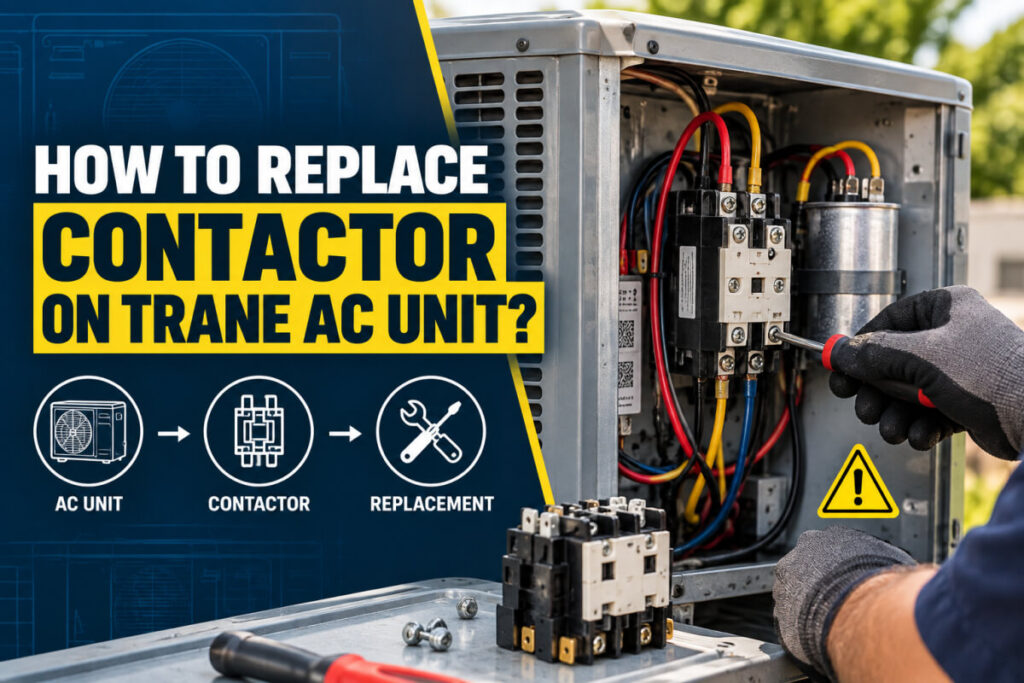
An AC contactor is an electrically controlled switch that routes 240V power to the compressor and condenser fan motor when the thermostat calls for cooling. It works similarly to the switching components used in residential electrical panels — when a low-voltage control signal energizes the contactor coil, the contact points close and the high-voltage circuit to the compressor and fan completes.
When the contactor fails — pitted contacts, a burned coil, or a stuck armature — the air conditioner stops responding even though the thermostat is working correctly. A buzzing sound from the condenser cabinet, an AC compressor making buzzing noise with no fan movement, or a compressor fan not working at all when the system should be cooling are the classic signs of a failed contactor.
AC Contactor Replacement Cost: What to Expect
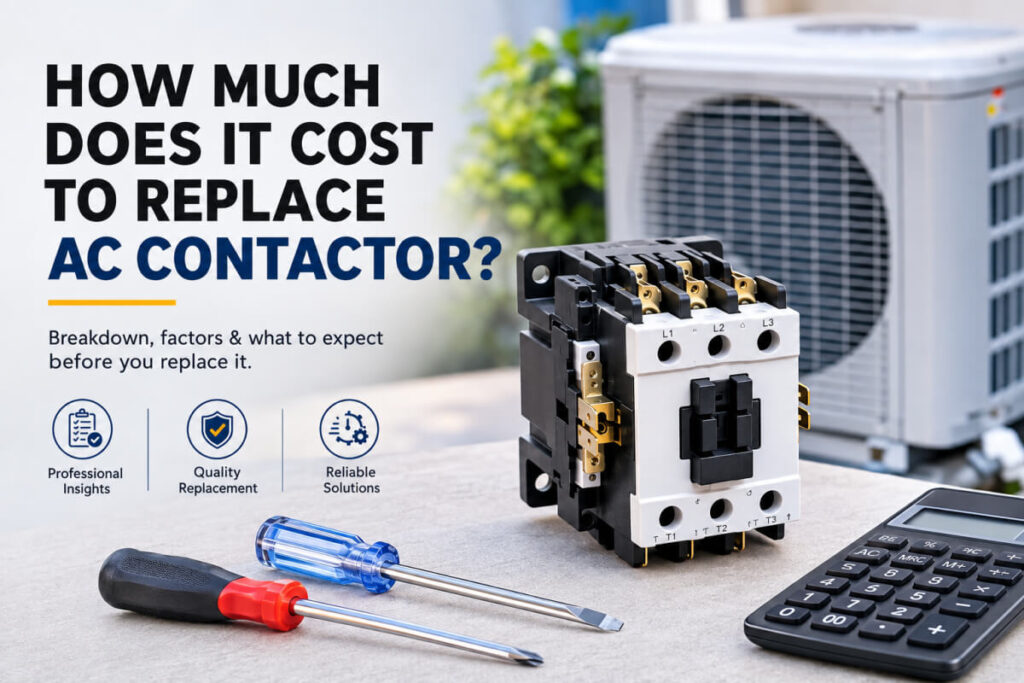
The total air conditioner contactor replacement cost depends on two variables: the part and the labor to install it.
Contactor part cost: A standard single-pole or double-pole air conditioning contactor typically costs $15–$75 depending on brand, amperage rating, and coil voltage. OEM replacements from the system manufacturer sit at the higher end; aftermarket contactors that meet the same specifications are often $20–$40. The contactor price rises if your system uses a three-pole design or a specialty coil voltage, less common in residential applications.
Labor cost: HVAC technicians typically charge $100–$200 for contactor replacement on a standard residential service call including the part. The swap itself takes 20–45 minutes, but you’re paying for dispatch and diagnostic time as well. Total cost to replace AC contactor with labor generally lands between $150 and $350 when the contactor is the only failed component.
What raises the cost: If a failing contactor damaged the compressor by allowing repeated start attempts under fault conditions, the repair cost increases significantly. Replacing a failed contactor early is always cheaper than the downstream damage a stuck or burned contactor can cause.
Average Cost to Replace AC Contactor by System Type
Central Air Conditioner Contactor
All-in for a standard residential split system. The most common repair scenario for homeowners.
HVAC Contactor (Packaged Unit)
Packaged units may use higher-amperage contactors that cost more to source, and cabinet access is sometimes more involved.
Multi-Component Service Visit
If the contactor is replaced alongside the capacitor or condenser fan motor in one visit, labor is shared across the repair.
AC Contactor Price: Part-Only Cost If You’re DIYing
If you’re purchasing an AC contactor for a self-install, the part is inexpensive and widely available. A replacement air conditioning contactor costs $15–$60 at HVAC supply houses and online. Matching the correct part requires checking three things: the coil voltage (typically 24V on residential units), the amperage rating (usually 30A or 40A), and the number of poles.
| Spec to Match | Typical Residential Value | Why It Matters |
|---|---|---|
| Coil voltage | 24V | Wrong voltage = coil won’t energize or will burn out |
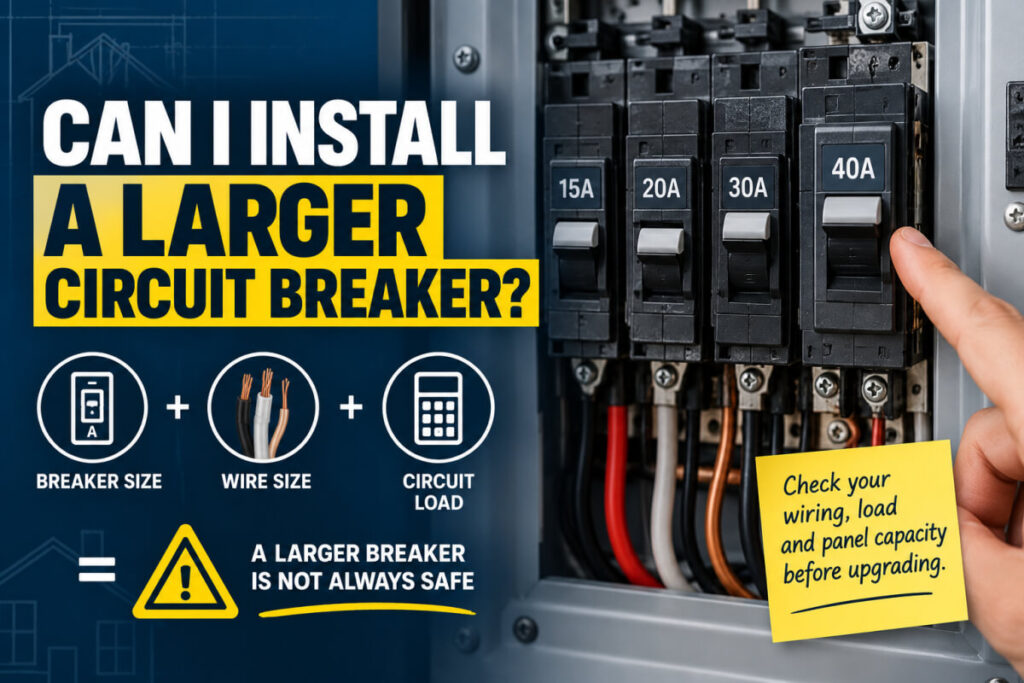
| Amperage rating | 30A or 40A | Undersized = overheating and failure under load |
| Number of poles | Single or double pole | Must match original — not interchangeable |
Where to buy a contactor for an AC unit: HVAC supply houses carry the most reliable range. Your equipment manufacturer’s parts distributor is the safest source if the system is still under warranty.
DIY vs. Hiring an HVAC Technician
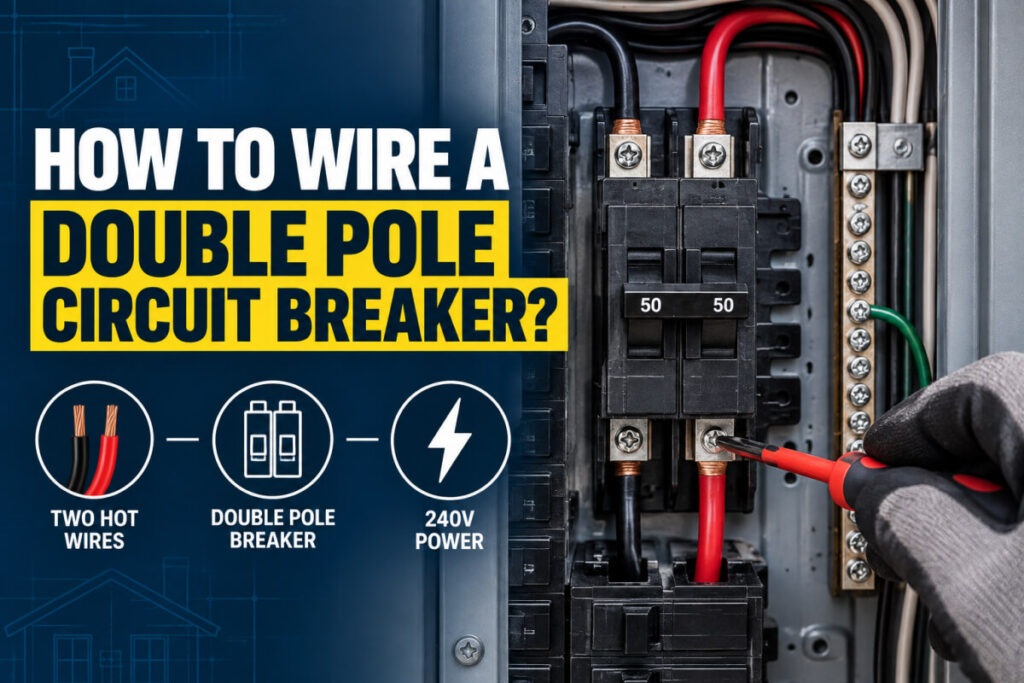
Replacing an AC contactor is mechanically simple — a handful of wires and two to four screws. The hazard is entirely electrical. The condenser cabinet operates at 240V, and capacitors inside the unit store lethal charge that doesn’t discharge immediately when power is cut. Anyone familiar with high-voltage electrical work — the kind that applies equally when working safely around a residential electrical panel — can manage a contactor swap provided they know how to safely discharge the run capacitor first. If that process isn’t familiar, the labor cost for a professional is well worth paying.
Signs the Contactor Has Failed
- AC system doesn’t respond to the thermostat at all — no fan, no compressor activity
- Buzzing or humming from the condenser cabinet without the system starting — similar to how a stuck switching component elsewhere buzzes under voltage without completing the circuit
- Compressor fan not working while the indoor air handler continues running normally
- Visible burn marks or pitting on the contactor’s contact points when you open the cabinet
- Compressor runs continuously without cycling off — contactor stuck in the closed position
Common Mistakes When Replacing an AC Contactor
- Not shutting off the disconnect box before opening the condenser cabinet
- Failing to discharge the run capacitor before handling wires near it
- Using a contactor with the wrong coil voltage or amperage rating
- Not photographing the original wiring before disconnecting the old part
- Assuming the contactor is the problem without testing — a failed capacitor produces nearly identical symptoms
When to Call an HVAC Technician
Call a professional if the system still doesn’t respond after a contactor replacement, if you see burn marks on the wiring harness or compressor terminals, or if you’re not confident identifying which component has failed. When a fault has affected the broader circuit — not just the contactor itself — a qualified technician can assess whether additional components need attention before the system goes back online.
Most HVAC companies charge a diagnostic fee of $75–$150 that applies toward the repair if you proceed. If the AC contactor replacement cost feels high relative to the system’s age, ask your technician whether the unit is worth repairing — a 15+ year old condenser with a failed contactor may be approaching end-of-life for other components as well. If the repair involves updating the circuit or adding a new outlet for a smart thermostat system, work like installing a dedicated circuit should always be handled by a licensed professional.
Frequently Asked Questions
How Much Does It Cost to Replace an AC Contactor?
Total cost including parts and labor typically runs $150–$350 for a standard residential split system. The contactor part itself costs $15–$75; the remainder is labor and the service call fee.
Can I Replace an AC Contactor Myself?
Yes, if you’re experienced working with high-voltage electrical systems and know how to safely discharge capacitors before handling wiring. The part is inexpensive and the swap is mechanically straightforward. If you’re unfamiliar with 240V electrical work, hire a licensed HVAC technician.
How Long Does an AC Contactor Last?
Most residential contactors last 10–15 years under normal operating conditions. Systems that short-cycle frequently or run in high-demand climates may experience earlier failure.
What Causes an AC Contactor to Fail?
Pitted or burned contact points from normal arcing over time are the most common failure mode. Voltage spikes, insects nesting inside the contactor mechanism, and coil burnout from sustained low-voltage conditions are other frequent causes.
Is a Failed AC Contactor an Emergency?
Not structurally, but during a heat wave it becomes urgent. Most HVAC companies offer same-day or next-day service for no-cooling calls during summer months.
Need Quality Contactors and Switching Components?
Dvolt manufactures contactors, MCBs, and switching devices built for reliable performance in residential and commercial electrical systems.
Contact Our Team Browse Our ProductsFinal Thoughts
The cost to replace an AC contactor is one of the more manageable HVAC repair expenses — typically $150–$350 all-in with labor, or $15–$75 for the part alone if you’re comfortable with the electrical work involved. The key is catching a failing contactor early, before pitted contacts or a stuck armature allow fault conditions that damage the compressor or other components downstream.
If your condenser is humming but not starting, or the fan isn’t responding when the thermostat calls for cooling, the contactor is the right first component to check. Understanding how contactors and other high-voltage switching components behave when they fail makes it easier to diagnose the problem quickly — and either fix it yourself or describe the fault accurately to the technician you call.